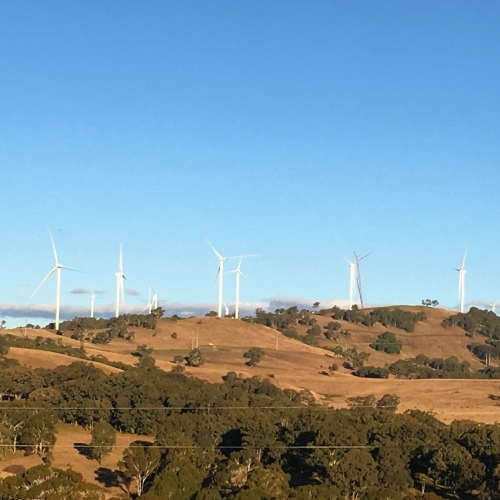
Australia’s transition to renewable energy is gathering pace. Recent announcements include new solar and battery infrastructure supporting Western Sydney International Airport, Perth Airport’s new solar farm, and significant investment in Australia’s sustainable aviation fuel (SAF) industry. These projects demonstrate that the future of aviation and renewable energy is becoming increasingly interconnected.
While renewable energy delivers significant environmental and economic benefits, careful planning is essential to ensure these developments do not adversely affect aviation safety.
Wind turbines, solar farms, battery storage facilities and associated infrastructure can all have aviation implications depending on their location. Potential considerations include:
- Obstacle Limitation Surface (OLS) penetration
- Protected airspace and instrument flight procedures
- Radar and communication system impacts
- Glint and glare from solar installations
- Aviation lighting requirements
- Future airport growth and safeguarding.
Our team works with developers, planners, airport operators and government agencies to identify aviation constraints before they become project risks. We provide:
- Aviation Impact Assessments and safeguarding advice
- Glint and glare assessments
- Airspace and flight procedure design
- Regulatory and planning support
- Consultation with aviation authorities and stakeholders.
As Australia continues to invest in renewable energy, successful projects will be those that balance sustainability with the safe operation of our aviation network.
Contact us to discuss your next project.
Tags: Renewable Energy, Government, Aviation Considerations, Airspace Safeguarding, Aviation Projects, Environmental Impact Assessment