Australia continues to invest in aviation infrastructure to meet growing demand, improve regional connectivity and support economic development. When aviation expertise is embedded within the planning process, projects are better positioned to achieve timely approvals, minimise risk and support long-term operational success.
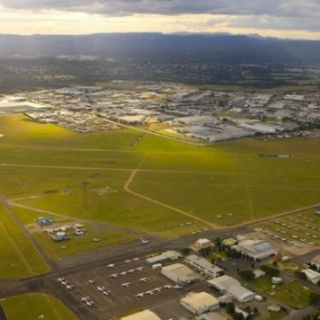
The recent commencement of freight operations at Western Sydney International Airport is a milestone for Australian aviation. While aircraft movements mark the beginning of operations, they also represent the successful completion of years of planning, technical assessment and consultation.
Major infrastructure projects are increasingly complex, involving multiple stakeholders, competing priorities and evolving regulatory requirements. Whether developing a new airport, expanding existing infrastructure or planning surrounding developments, aviation considerations must be integrated from the earliest stages. Early aviation planning provides confidence that projects can progress while protecting operational safety and maintaining regulatory compliance.
A defining characteristic of successful airport planning is effective consultation. Airport operators, developers, local government, planners, regulators and surrounding communities all have a role to play. Bringing these perspectives together early enables potential issues to be identified before they become potential project constraints.
As projects become more sophisticated, the need for experienced aviation consultants continues to grow. Independent technical advice helps ensure planning decisions made today continue to support safe and efficient operations well into the future.
At Aviation Projects, we work alongside airports, government agencies, developers and industry partners to deliver practical aviation solutions across planning, safeguarding, operational risk and regulatory compliance. Contact us.
Tags: Airport Master Plan, Airport Planning, Aviation Safeguarding, Airports, Aerodromes, Aviation Projects