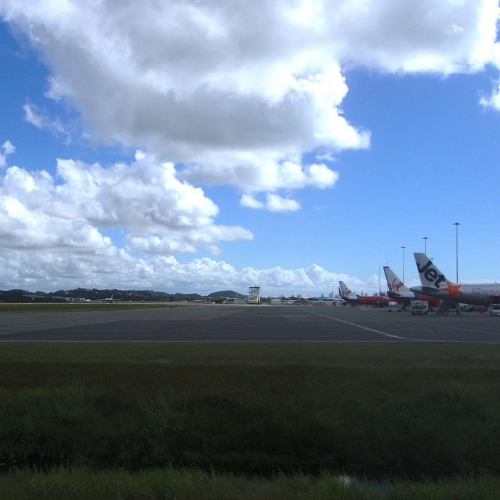
Airports are often evaluated on their terminals and passenger experience; however, day-to-day performance is dependent on an efficient operational design. Airports are complex and fluid infrastructures - every design decision has safety implications, as well as effects on scheduling and timeliness.
The successful design of airport aprons and parking bays is essential. Considering clearances, fleet of the aircraft, and pushback efficiency, enables airports to have a long-term vision, improving the consistency of aircraft movement on the apron.
Planning the taxiway/s plays an important role in designing an efficient operational layout. Taxiways that reduce bottlenecks during peak times, along with minimising occupancy on active runways, increase the capacity for aircraft movement and ground operations.
Poor operational design can lead to increased ground delays (wastage of fuel on ground), creating congestion at runways holding points, impacting Air Traffic Controllers’ cognitive load, and considerable other safety risks. Early operational inputs during design reduces future cost as a result of redesigning and minimises disruptions when air traffic or aircraft movements increase.
At Aviation Projects, we provide trusted advice about airport planning, development and operations, airspace and instrument flight procedure design and aviation safeguarding. Contact us today.
Tags: Aiport Design, Aviation Projects, Airport Master Planning, Taxiway Layout, Aerodromes